

Más que una familia
ANDREU MUNTANER, LOBO, UNO DE LOS NUESTROS


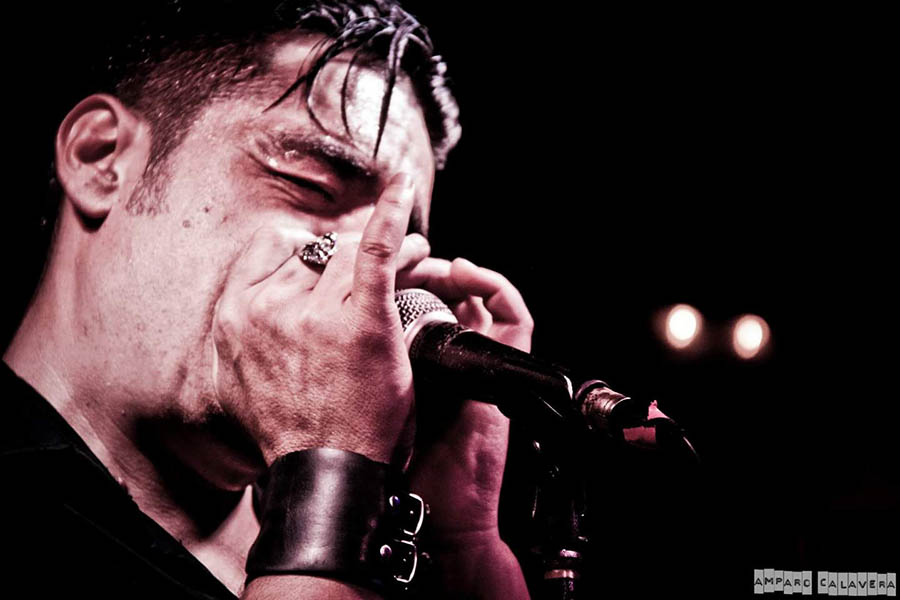
Desde que venimos a Logroño habíamos dejado aparcada la sección “uno de los nuestros”. Es hora de retomarla con un gran amigo, que consideramos parte de La Familia y que en su día también cogió la maleta y se fue de Mallorca a Madrid. Hablamos de Andreu Muntaner también conocido como Lobo.
Since coming to Logroño, we had put our “one of our own” section on hold. It’s time to revive it with a great friend, whom we consider part of the family, and who once packed his bags and left Mallorca for Madrid. We’re talking about Andreu Muntaner, also known as Lobo.
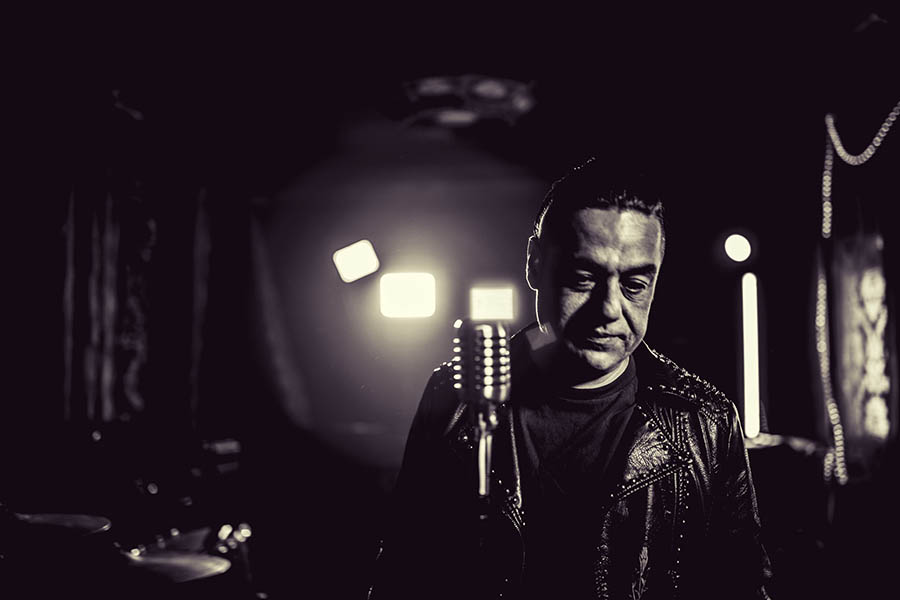
¿Cómo fueron tus comienzos en la música?
Arranqué a finales de los 80 tocando el bajo en Arkanoid, una adolescente banda de heavy. Después pasé a Mes Renou, donde empecé a cantar además de tocar. Ahí llegaron los primeros conciertos y los concursos —como la X edición del concurso Pop rock de Palma, donde quedamos segundos— y, sobre todo, la sensación de que esto iba en serio. A partir de ahí empecé a moverme de proyecto en proyecto, aprendiendo sobre la marcha: Road Runners, Drums & Piano Band —donde coincidí con Concha Buika— o Smoke.
How did you get started in music?
I started in the late 80s playing bass in Arkanoid, a teenage heavy metal band. Then I joined Mes Renou, where I started singing as well as playing. That’s where the first concerts and competitions came in—like the 10th edition of the Palma Pop Rock competition, where we came in second—and, above all, the feeling that this was serious. From then on, I started moving from project to project, learning as I went: Road Runners, Drums & Piano Band—where I played with Concha Buika—or Smoke.
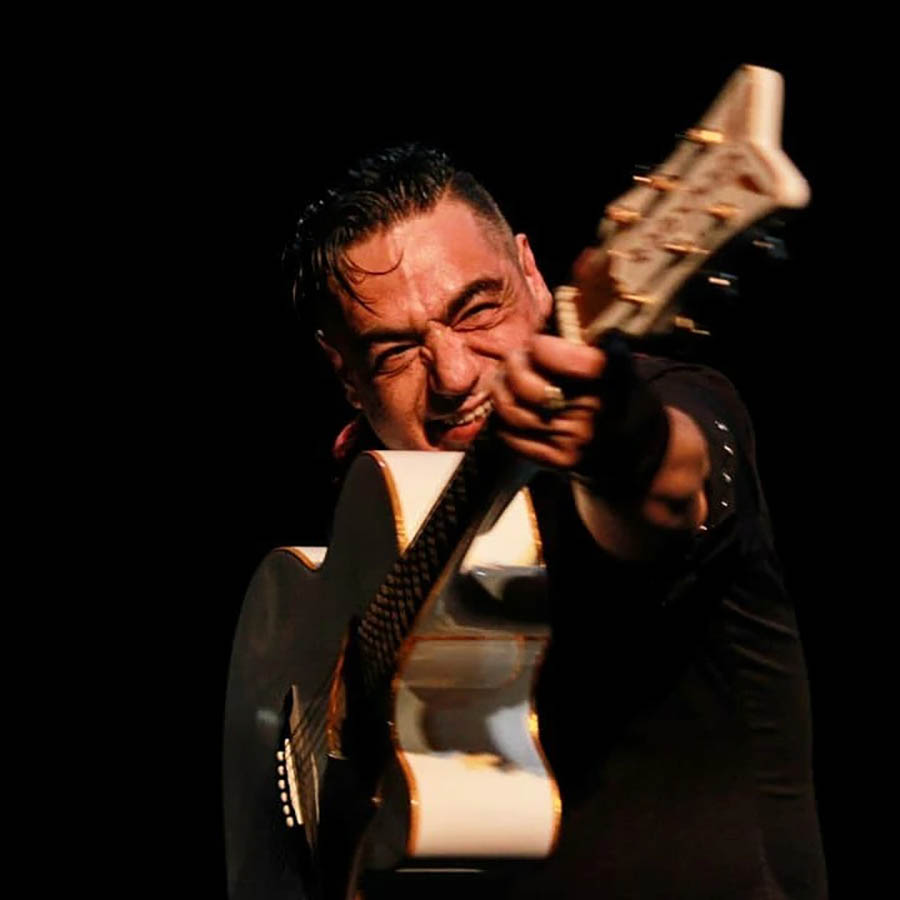
Tu carrera ha pasado por muchos proyectos. ¿Cómo ha sido esa evolución?
Bastante nómada. Nunca he sabido estar quieto musicalmente, y eso me ha llevado a pasar por muchos formatos y escenas. A principios de los 2000 me vine a Madrid y ahí terminó de abrirse todo: el coro de góspel con Inside Voices dirigido por Sheilah Cuffy, noches en la Moby Dick Band con Mayka Edjole en la banda residente de la mítica sala madrileña Moby Dick, estudio propio en Rock Palace… Fue una etapa de aprendizaje brutal.
Luego llegó King wolf and the hound dogs, Dirty Martini y despues Trogloditas, que fue otra liga: diez años de carretera, tres discos y oficio de verdad. Después, lejos de parar, han ido saliendo nuevos proyectos: Desterrados, The Spirit Chariot, Mr. Wolf and the Blues Freaks o el dúo Lobo & Harry. Diferentes registros, pero siempre el mismo pulso.
Your career has involved many projects. What has that evolution been like?
Pretty nomadic. I’ve never been able to stay still musically, and that’s led me to experience many different formats and scenes. In the early 2000s, I moved to Madrid, and that’s when everything really took off: the gospel choir with Inside Voices, directed by Sheilah Cuffy; nights with the Moby Dick Band with Mayka Edjole in the resident band of the legendary Madrid venue, Moby Dick; my own studio at Rock Palace… It was an incredible learning experience. Then came King Wolf and the Hound Dogs, Dirty Martini, and later Trogloditas, which was a whole different ballgame: ten years on the road, three albums, and real professionalism. Since then, far from stopping, new projects have emerged: Desterrados, The Spirit Chariot, Mr. Wolf and the Blues Freaks, and the duo Lobo & Harry. Different styles, but always the same driving force.
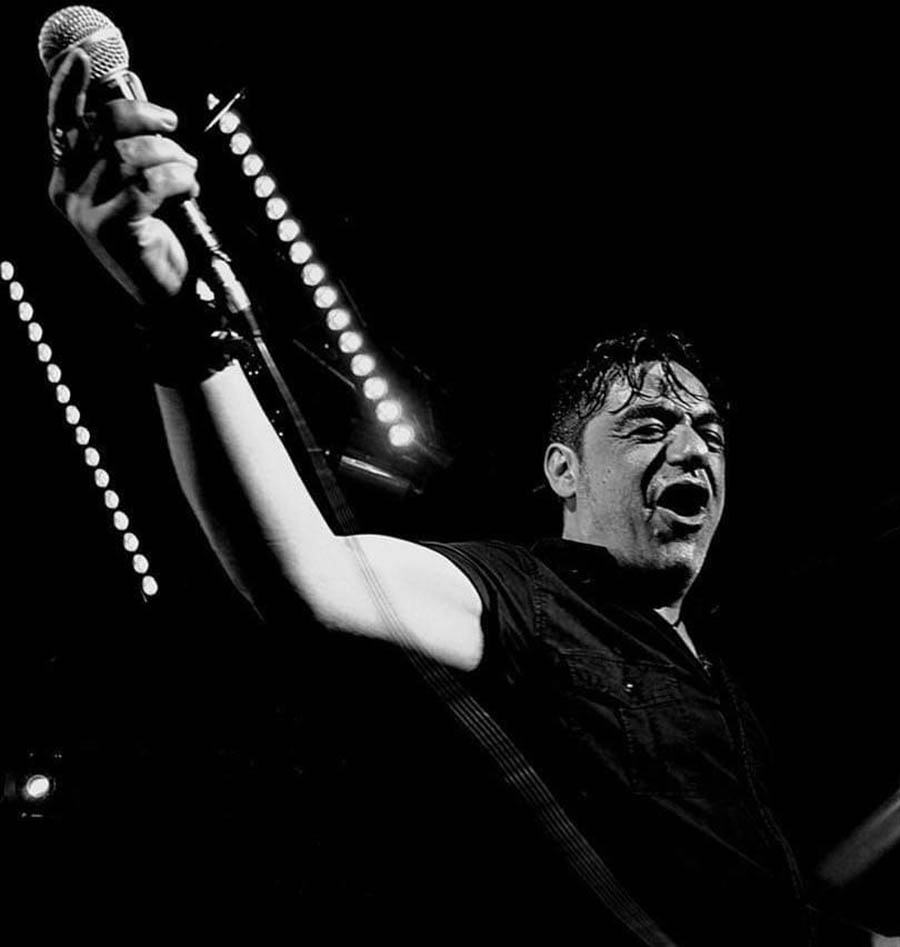
¿En qué estás trabajando actualmente?
Sigo en modo multitarea. Estoy grabando el sexto disco de Andreu Muntaner “Lobo” con el productor Martín García Duque, cerrando nuevo material con Desterrados y terminando el disco de Mr. Wolf and the Blues Freaks. Y además, preparando la vuelta de Smoke después de más de 25 años, que tiene algo de ajuste de cuentas con el pasado.
No entiendo la música de otra forma que no sea así: en movimiento.
What are you currently working on?
I’m still multitasking. I’m recording Andreu Muntaner’s sixth album, “Lobo,” with producer Martín García Duque, finalizing new material with Desterrados, and finishing the Mr. Wolf and the Blues Freaks album. And also, preparing the return of Smoke after more than 25 years, which is somewhat of a settling of accounts with the past.
I don’t understand music any other way than this: in motion.
¿Cuáles son tus principales influencias?
Vengo de escuchar buena música en casa desde crío. Mucho 40s, 50s y 60s: swing, crooners, grandes arreglos… Nat King Cole, Sinatra, Cab Calloway y grandes voces italianas de la época. Luego Elvis, Johnny Cash… y toda la tradición de la música negra: soul, funk, rhythm & blues —James Brown, Ray Charles, Lou Rawls—.
Después llegó el rock: los 70, el heavy, y aquí bandas como Burning, 091, Los Enemigos o La Frontera. Todo eso está ahí, mezclado sin demasiados prejuicios.
What are your main influences?
I’ve been listening to good music at home since I was a kid. A lot of the ’40s, ’50s, and ’60s: swing, crooners, great arrangements… Nat King Cole, Sinatra, Cab Calloway, and great Italian voices of the time. Then Elvis, Johnny Cash… and the whole tradition of Black music: soul, funk, rhythm & blues—James Brown, Ray Charles, Lou Rawls.
Then came rock: the ’70s, heavy metal, and bands like Burning, 091, Los Enemigos, and La Frontera. All of that is there, mixed together without too many prejudices.
Un deseo a día de hoy
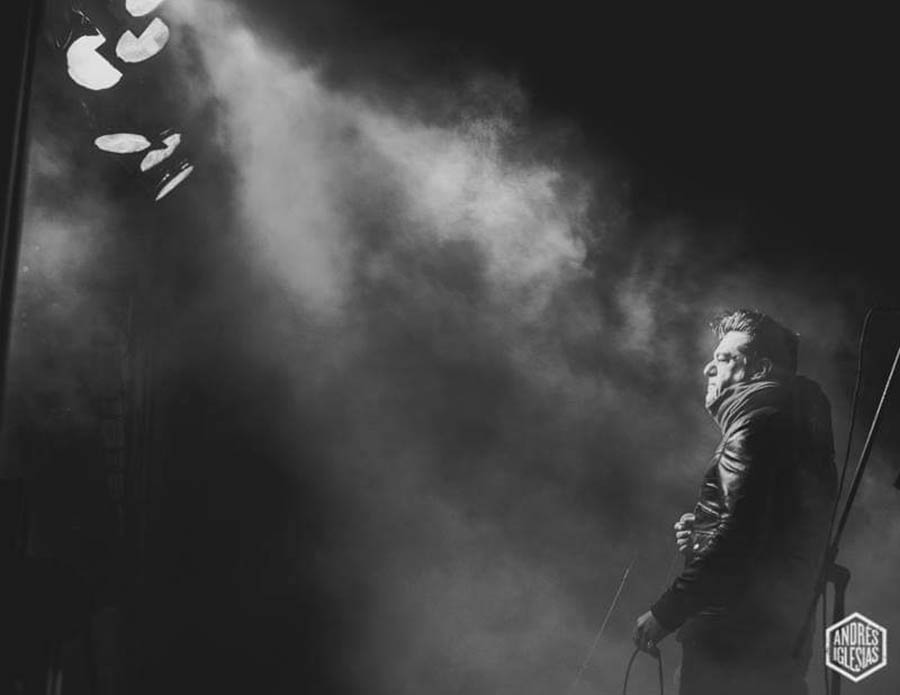
Cantar, seguir en la carretera. Con canciones nuevas y algo que decir. Mientras eso siga, todo lo demás es secundario.
A wish today?
To sing, to keep on the road. With new songs and something to say. As long as that continues, everything else is secondary.